Bed Bug Exterminator: Professional Bed Bug Treatment for Homes
Bed Bug Heat Treatment: The Comprehensive Guide to a Pest-Free Home
Heat treatment for bed bugs has become a dependable, non-chemical remedy for homeowners. This method effectively raises temperatures to eliminate every life stage of these insects. Understanding its mechanics and benefits is essential for homeowners dealing with infestations. Thorough preparation and post-treatment maintenance can substantially affect results. Still, numerous homeowners miss key steps. What measures are necessary to guarantee a long-lasting, pest-free environment? Examining these factors can offer insight and direction.
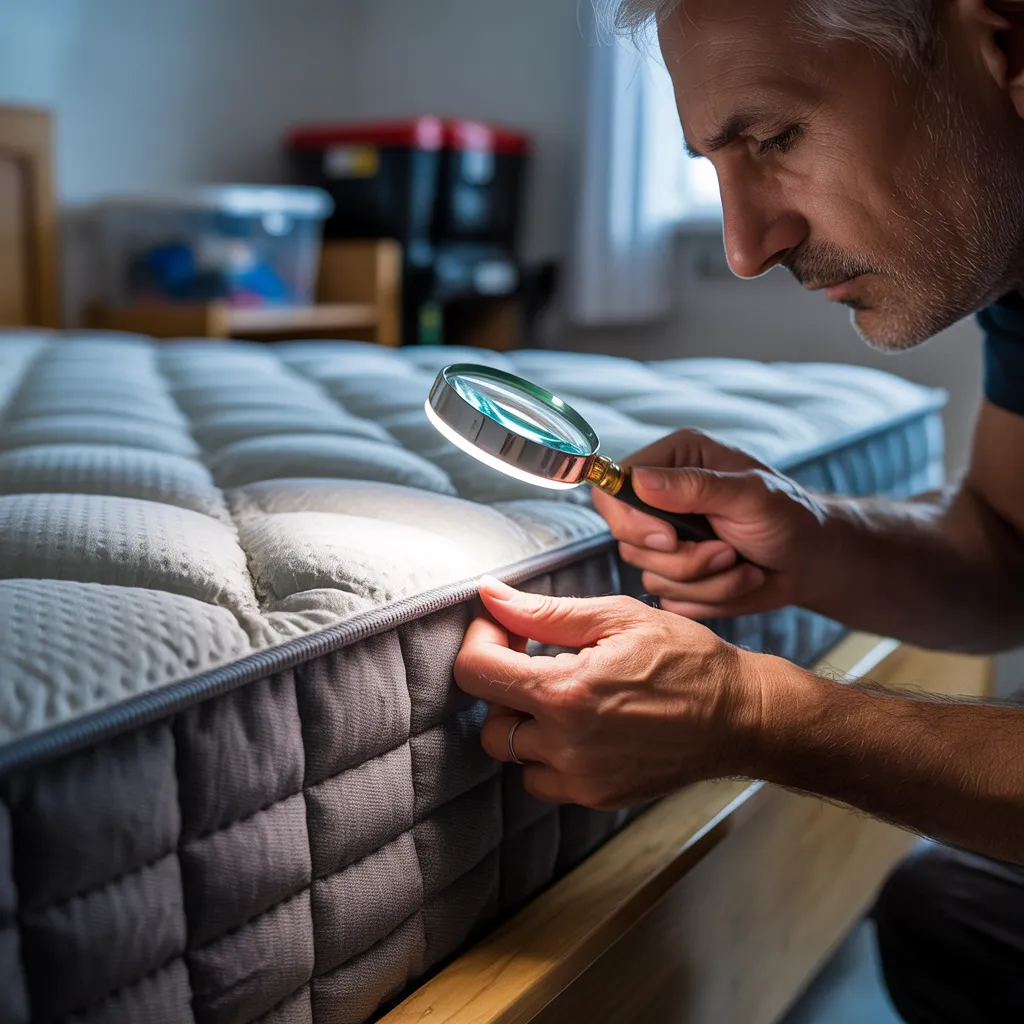
Why Bed Bugs Are a Major Concern for Homeowners
While bed bugs might appear to be a minor inconvenience, they present serious difficulties for homeowners. These insects, known for their rapid reproduction, generate stress and unease because of their nighttime feeding behavior. Their bites can lead to allergic reactions and secondary infections, making eradication essential. Moreover, bed bugs are exceptionally challenging to get rid of; they can conceal themselves in narrow gaps and persist without nourishment for considerable lengths of time.
The social stigma surrounding bed bug infestations can also affect property values and rental potential. Homeowners frequently experience financial burdens from multiple treatment sessions and potential losses in the hospitality industry. Furthermore, the psychological impact of managing an infestation can result in tension and restless evenings.
How Does Heat Treatment Work for Bed Bugs?
Heat treatment effectively eliminates bed bugs by increasing the temperature in affected areas to temperatures that are deadly for these insects. Typically, this involves heating a room or space to a sustained temperature between 120°F and 140°F (49°C to 60°C). At such temperatures, bed bugs, along with their eggs and nymphs, are unable to survive for extended periods.
This process demands specific tools to ensure even heat distribution, penetrating all areas where bed bugs may hide, such as furniture, mattresses, and wall crevices. It is necessary to monitor the temperature throughout the treatment to confirm effectiveness.
Heat treatment is a chemical-free method, making it environmentally friendly and safe for households. Nevertheless, it requires careful and thorough preparation, which includes taking out heat-sensitive items and ensuring the area is properly sealed to sustain the required high temperature. This approach not only eliminates visible bugs but also reaches concealed populations, offering a thorough and complete resolution to pest infestations.
Advantages of Heat Treatment for Bed Bugs Over Other Methods
The merits of heat treatment for bed bugs stand out when measured against traditional pest control methods. As opposed to chemical methods, heat effectively eliminates every life stage of bed bugs, such as eggs, larvae, and adults, guaranteeing total elimination. This approach reaches deep into bedding, furniture, and walls, attaining temperatures fatal to these bugs.
Moreover, heat treatment is eco-friendly, as it bypasses the use of dangerous chemical substances that can be hazardous to the health of humans and pets. It also decreases the risk of pest resistance, a well-known challenge with chemical treatments, as bed bugs are unlikely to survive extreme heat.
In addition, heat treatment solutions usually only need only one application, reducing the time and cost involved in multiple chemical applications. In summary, heat treatment proves to be a thorough, efficient, and safer option for achieving a infestation-free home.
How to Prepare Your Home for Effective Heat Treatment
Preparing a home for effective heat treatment against bed bugs encompasses several important considerations. Initially, it is essential to eliminate clutter from the area to be treated to guarantee thorough heat penetration. Furthermore, securing items that are susceptible to heat is important to prevent damage during the treatment process.
Ready The Treatment Area
Careful preparation of the treatment area is essential for effective heat treatment against bed bugs. Property owners should begin by decluttering the area, removing any unnecessary items that may interfere with the treatment process. Furniture must be shifted away from walls, enabling heat to flow freely. Sheets, clothing, and personal effects must be transferred to prevent damage and ensure complete heat penetration. Vacuuming the area is also recommended to remove any present bed bugs and their eggs before treatment. To conclude, closing all windows and doors stops heat from escaping, enhancing the overall effectiveness of the treatment. Thoroughly preparing the treatment area increases the likelihood of completely eliminating bed bugs and achieving a pest-free home.
Shield Heat-Sensitive Items
Following the clearance of the designated treatment space, it is essential to turn attention to securing items sensitive to heat. These items, such as relevant information electronics, artwork, and certain fabrics, could be compromised by the elevated temperatures of heat treatment. You must pinpoint and relocate such items from the treatment space. Electronics must be unplugged and moved to a cooler space, and delicate fabrics should be transferred to a safe environment. Additionally, medications, cosmetics, and any other items sensitive to heat should be packed and stored with care. Residents are encouraged to review the manufacturer's guidelines for specific items to guarantee safe storage. This careful preparation both protects valuable items and improves the overall effectiveness of the bed bug heat treatment process.
What You Can Expect During Heat Treatment
When undergoing thermal treatment for bed bug control, comprehensive planning is critical to secure effectiveness. Property owners can expect a methodical process that involves measuring temperature levels and making certain that all areas are adequately heated. Following the treatment, targeted follow-up steps will be needed to verify effectiveness and prevent future infestations.
Preparation Before Treatment
Preparing for heat treatment involves a set of critical steps to secure both effectiveness and safety. To begin, residents should declutter the area to ensure all surfaces are reachable. Objects such as curtains, clothing, and bedding need to be washed in hot water and tumble dried on high heat to eliminate any concealed bed bugs. Furniture should be shifted away from walls, and any items sensitive to heat, like electronics and plants, should be relocated or safeguarded. It is also important to inform pest control professionals about any particular concerns or infested areas. As a final step, residents should arrange a temporary relocation during the treatment, as temperatures will increase significantly, making the environment inhospitable for both people and pests.
Post-Treatment Follow-Up Guidelines
During heat treatment for bed bugs, occupants will experience a comprehensive and methodical procedure intended to completely remove the bed bugs. After the treatment is complete, the initial phase includes a cooling-down period, during which the treatment zones will progressively cool down to regular temperatures. Specialists will proceed to carry out a detailed assessment to ensure that all insects as well as egg deposits have been completely removed. Occupants are advised to observe their home environments for any indications of reappearance including bite marks or dark spotting. It is advisable to wash all linens and garments to eliminate any residual pests. Additionally, ongoing vigilance is essential; regular inspections and preventive measures can contribute to preserving an infestation-free living area. Residents may also receive guidelines for effective follow-up care.
How to Maintain a Bed Bug-Free Home After Treatment
How is it possible to maintain a bed bug-free household after treatment? Sustaining a pest-free living space calls for dedicated and thorough efforts. First, regular inspections of sleeping areas, furniture, and luggage can help identify any returning pests. Vacuuming frequently, particularly in areas where bed bugs might hide, is essential. It is advisable to use a vacuum with a HEPA filter and to dispose of the vacuum bag immediately after use.
In addition, wrapping box springs and mattresses in protective zippered covers can prevent future re-infestation. Decreasing excess clutter within the home eliminates possible hiding areas for bed bugs. During travel, people should inspect hotel rooms and be sure to keep luggage raised on luggage racks.
To conclude, discussing bed bug awareness with family members and roommates about bed bug awareness confirms that everyone is vigilant, promoting a unified effort in avoiding infestations. By practicing these strategies, one can significantly minimize the chances of a resurgence of bed bugs, securing a pest-free and comfortable living space.
Preventing Future Bed Bug Infestations
To successfully avoid future bed bug problems, homeowners must implement preventive strategies that target common weak points. Frequent checks of sleeping spaces, including bed frames and mattresses, can assist in detecting initial indicators of bed bugs. Furthermore, encasements for mattresses and box springs establish a shielding boundary, preventing bed bugs from establishing themselves.
Minimizing clutter inside the home eliminates hiding places and simplifies the cleaning process. Staying alert during travel is also critically important; inspecting hotel rooms and your luggage prior to coming home can stop bed bugs from being brought in. Laundering bedding and clothing in hot water regularly further diminishes the risk of reinfestation.
It is also important for homeowners to learn about bed bug habits and indicators of infestation. By adopting these practices into their regular schedule, individuals can create an environment less conducive to bed bugs, greatly reducing the likelihood of future infestations.
Questions and Answers
Can I Stay in My Home During Heat Treatment?
Throughout heat treatment for bed bugs, professionals generally advise to vacate the home. High temperatures can be dangerous, as staying inside could lead to serious health concerns. A qualified professional will offer detailed safety recommendations.
How Long Does a Heat Treatment Process Take?
Heat treatment generally requires anywhere from six to eight hours, depending on the severity of the infestation and the size of the area. Subsequent inspections may be conducted following the treatment to guarantee effectiveness and thoroughness.
Do Any Health Risks Exist From Heat Treatment?
Thermal treatment for bed bugs typically presents minimal health risks. That said, individuals with respiratory issues or sensitivities may experience discomfort. Taking appropriate precautions with expert assistance provide a safe treatment experience, minimizing potential hazards.
Can Heat Treatment Cause Damage to My Belongings?
Heat treatment could potentially affect heat-sensitive belongings, such as artwork, electronics, or specific fabrics. Nevertheless, most belongings can endure the process when properly handled, emphasizing the importance of discussing concerns with a pest control professional beforehand.
How Much Does Heat Treatment Typically Cost?
The cost of heat treatment typically ranges from $300 to $1,500, based on how severe the infestation is and how large the treated area is. Factors like location and service provider also influence overall pricing.